 remb
rembfilter
Utilities for applying filters to an element.
| Class | Styles |
|---|---|
filter-none | |
filter: none; |
|
| filter-(<custom-property>) |
filter: var(<custom-property>);
|
| filter-[<value>] |
filter: <value>;
|
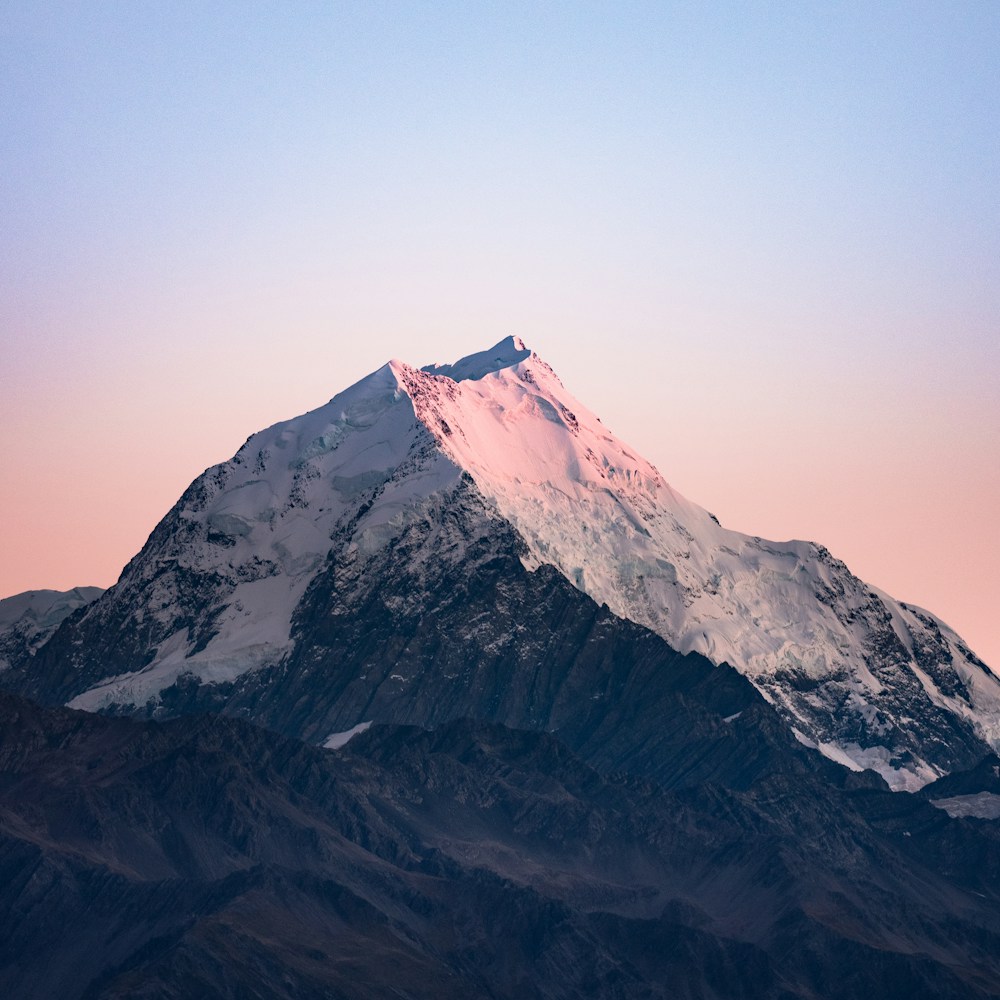
Use utilities like blur-xs and grayscale to apply filters to an element:
blur-xs
grayscale
combined
<img class="blur-xs" src="/img/mountains.jpg" /><img class="grayscale" src="/img/mountains.jpg" /><img class="blur-xs grayscale" src="/img/mountains.jpg" />
You can combine the following filter utilities: blur, brightness, contrast, drop-shadow, grayscale, hue-rotate, invert, saturate, and sepia.
Use the filter-none utility to remove all of the filters applied to an element:
<img class="blur-md brightness-150 invert md:filter-none" src="/img/mountains.jpg" />
Use the filter-[<value>] syntax to set the filter based on a completely custom value:
<img class="filter-[url('filters.svg#filter-id')] ..." src="/img/mountains.jpg" />
For CSS variables, you can also use the filter-(<custom-property>) syntax:
<img class="filter-(--my-filter) ..." src="/img/mountains.jpg" />
This is just a shorthand for filter-[var(<custom-property>)] that adds the var() function for you automatically.
Prefix a filter utility with a variant like hover:* to only apply the utility in that state:
<img class="blur-sm hover:filter-none ..." src="/img/mountains.jpg" />
Learn more about using variants in the variants documentation.
Prefix a filter utility with a breakpoint variant like md: to only apply the utility at medium screen sizes and above:
<img class="blur-sm md:filter-none ..." src="/img/mountains.jpg" />
Learn more about using variants in the variants documentation.
On this page

5-day mini-course
Build UIs that don’t suck.
Short, tactical video lessons from the creator of Tailwind CSS, delivered directly to your inbox every day for a week.
Copyright © 2026 Tailwind Labs Inc.·Trademark Policy